Hello, fellow explorers! This is TripGoGo, your go-to companion for discovering every corner of the globe. While Korea boasts an excellent high-speed rail network (KTX), its intercity bus system is equally impressive and often more convenient for reaching smaller towns or areas not served by trains.
For first-time foreign visitors, navigating this system might seem a bit daunting. But fear not! This guide will walk you through every step of using Korean intercity buses, from booking your ticket to stepping off at your destination.
Table of Contents
- 1. Express vs. Intercity Buses: What's the Difference?
- 2. Booking Your Ticket: Online, App, or On-Site?
- 3. Bus Terminals: Where Do I Go?
- 4. Boarding Procedures: Checking Your Ticket & Finding Your Gate
- 5. Bus Etiquette: Ensuring a Comfortable Ride for Everyone
- 6. Arrival: Disembarking & Your Next Steps
- 7. Frequently Asked Questions (FAQ)
- 8. Conclusion: Discovering the Real Korea by Bus
1. Express vs. Intercity Buses: What's the Difference?
Korea has two main types of long-distance buses:
- Express Buses (고속버스 - Gosok Bus): These typically connect major cities (Seoul, Busan, Daegu, etc.) directly. They often use better-equipped terminals and might be slightly more expensive. Primarily booked via "Gobus" (kobus.co.kr).
- Intercity Buses (시외버스 - Si-oe Bus): These cover a wider network, including smaller towns and rural areas, in addition to major cities. Booked via "Bustago" (bustago.or.kr) or directly at local terminals.
As a foreign traveler, both are convenient. Just choose based on your specific destination! (This guide will focus mainly on Express Buses, which are very common for tourist routes).
2. Booking Your Ticket: Online, App, or On-Site?
The most convenient method is online or via a mobile app.
- Recommended Apps/Websites:
• Gobus (kobus.co.kr): Supports Korean, English, Chinese, and Japanese. Best for Express Buses.
• Bustago (bustago.or.kr): Supports Korean and English. Best for Intercity Buses. - How to Book:
1. Enter your departure terminal, arrival terminal, and desired date/time.
2. Select your preferred bus schedule and choose your seat.
3. Enter your name (as it appears on your passport) and contact number (international numbers are usually accepted).
4. Pay using a credit card (most international cards are accepted).
5. You'll receive a mobile ticket (QR code) via email or within the app. No need to print!
On-Site Purchase: You can also buy tickets at the ticket counter in the bus terminal. However, for popular routes or specific times, booking in advance is highly recommended as seats can sell out.
3. Bus Terminals: Where Do I Go?
If you're in Seoul, here are the main terminals:
- Seoul Express Bus Terminal (Gangnam / near Shinbanpo Station): The main hub for Express Buses heading to major cities nationwide (Busan, Daegu, Gwangju, etc.).
- Dong Seoul Bus Terminal (near Gangbyeon Station): Primarily for buses heading to the Gangwon Province (Sokcho, Gangneung, etc.) and some eastern regions.
- Seoul Nambu Terminal (near Nambu Bus Terminal Station): Mostly for Intercity Buses to southern Gyeonggi Province, Chungcheong Province, and parts of Jeolla Province.
For most tourist destinations like Busan or Gyeongju, you'll likely depart from Seoul Express Bus Terminal.
4. Boarding Procedures: Checking Your Ticket & Finding Your Gate
- Mobile Ticket: Have your mobile ticket (QR code) ready on your phone. You'll show this to the bus driver.
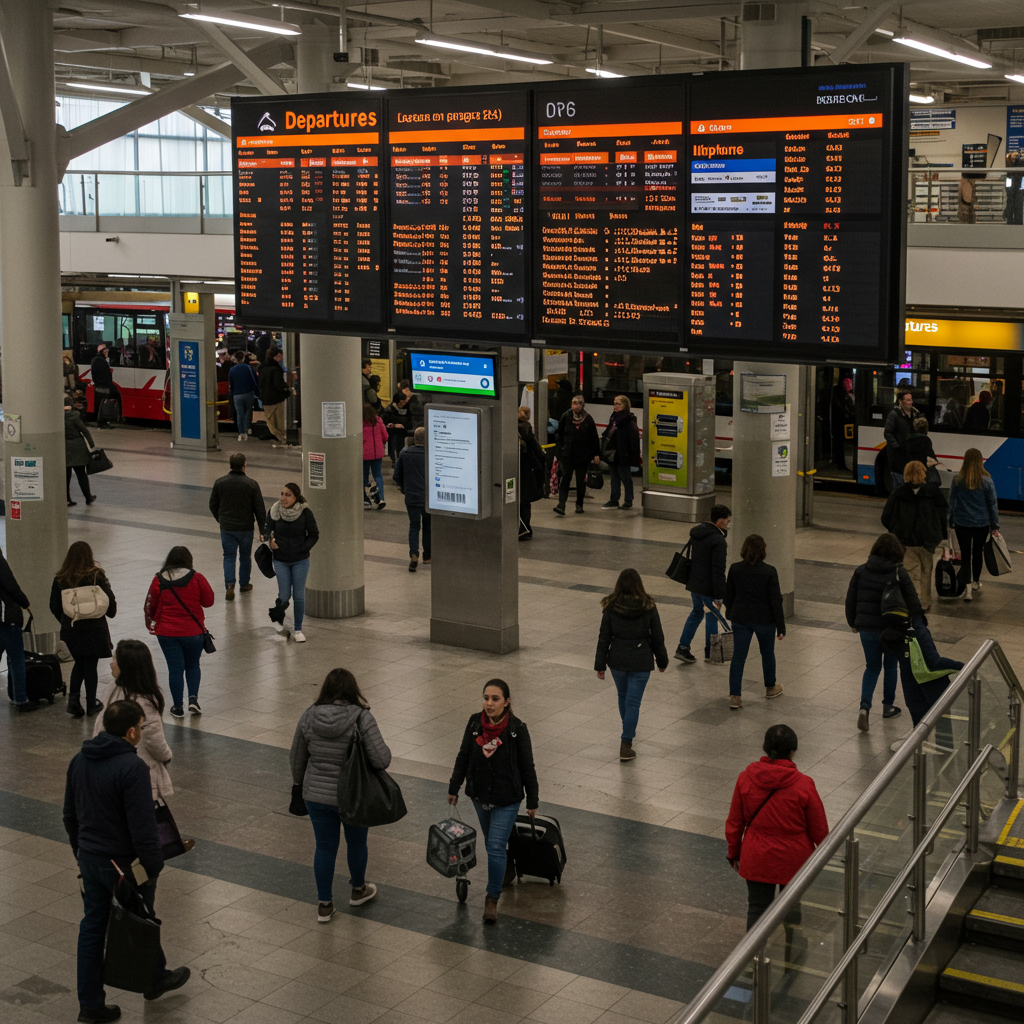
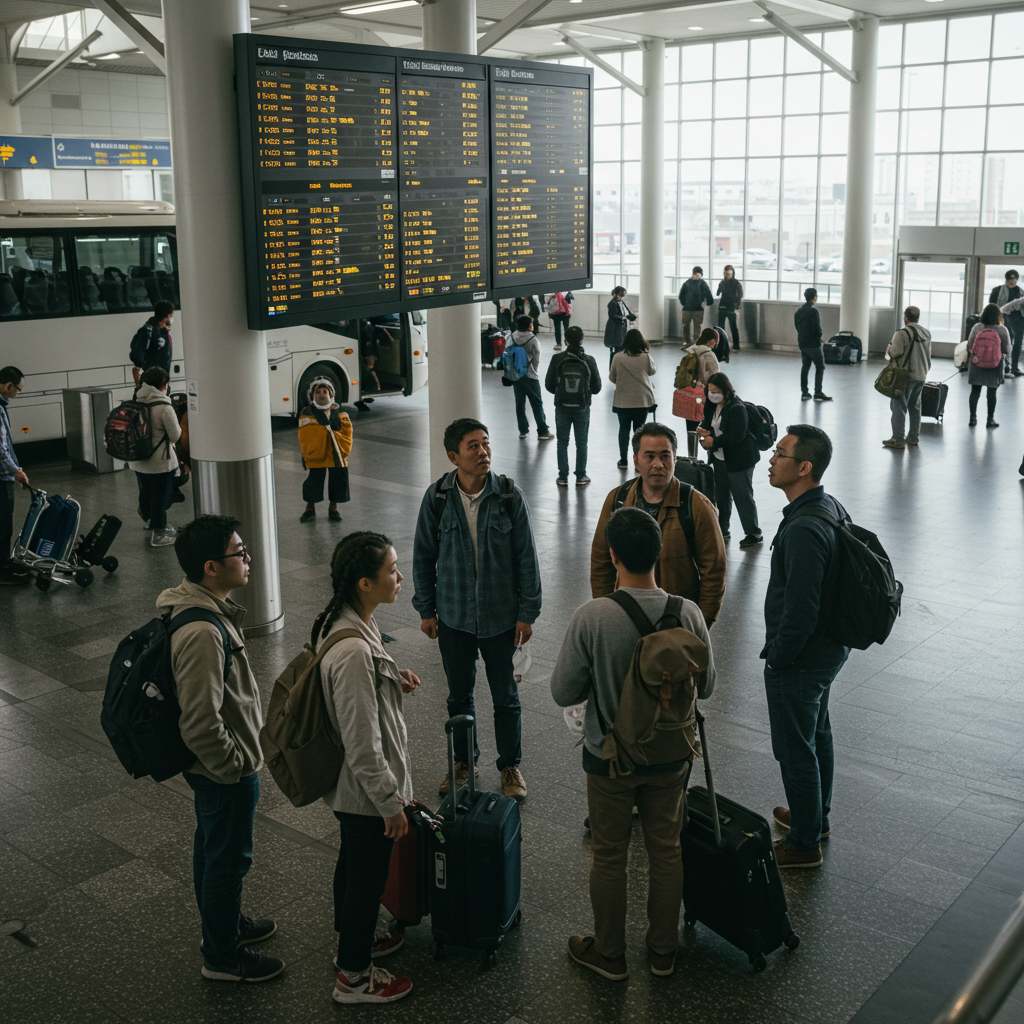
- Find Your Gate: Check the large electronic display boards in the terminal to find your departure gate number (Gate No.) based on your departure time and destination. Gate numbers can change, so always verify.
- Boarding: Head to your designated gate. When the bus arrives, show your mobile ticket to the driver as you board.
5. Bus Etiquette: Ensuring a Comfortable Ride for Everyone
- Keep Noise Levels Down: Avoid loud phone calls. Use headphones for any audio and keep the volume moderate.
- Respect Seats: Find your assigned seat number.
- Snacks & Trash: Avoid bringing foods with strong odors. Dispose of any trash properly in the bins provided or keep it with you.
- Rest Stops: For long journeys, buses make rest stops at service areas. Make sure to return to the bus on time as announced by the driver.
6. Arrival: Disembarking & Your Next Steps
- Getting Off: When your bus arrives at its destination terminal, follow the announcements and disembark.
- Using the Terminal: Most arrival terminals have facilities like convenience stores, restrooms, and taxi stands.
7. Frequently Asked Questions (FAQ)
Q: Do I need to speak Korean on the bus? Is English spoken?
A: While some drivers may speak basic English, it's not common. However, the mobile ticketing system means you can board without much conversation. Having a translation app or learning a few basic Korean phrases can be helpful.
Q: How do I handle luggage?
A: There's a luggage compartment underneath the bus. Hand your bags to the driver near the luggage door upon boarding, and they will load them. You'll retrieve them at your destination. Keep valuables with you.
Q: Can I use my foreign credit card for booking?
A: Yes, the Gobus and Bustago websites/apps generally accept most major international credit cards.
Q: Can I take intercity buses in Jeju Island? What about ferries?
A: On Jeju Island, you'll use "Jeju Buses" (similar to intercity buses), bookable at Jeju Airport or Jeju Intercity Bus Terminal. If you're traveling to the mainland via ferry, you can catch intercity buses from the ferry terminal's port city.
8. Conclusion: Discovering the Real Korea by Bus
Korea's intercity buses are more than just transportation; they're a gateway to experiencing the country's diverse landscapes and meeting its people. Use these tips to embark on your bus adventure with confidence!
TripGoGo is always here to support your safe and enjoyable travels throughout Korea.
Book Your Korean Intercity Bus Ticket Now and Start Exploring!
'Transportation & Practical Tips (교통 및 실용' 카테고리의 다른 글
| Heading to Korea in 2026? Don't Get Caught Without This Essential Entry Info! (0) | 2026.05.26 |
|---|---|
| Seoul Subway Hack: Free Re-entry! Don't Pay Twice (0) | 2026.05.17 |